

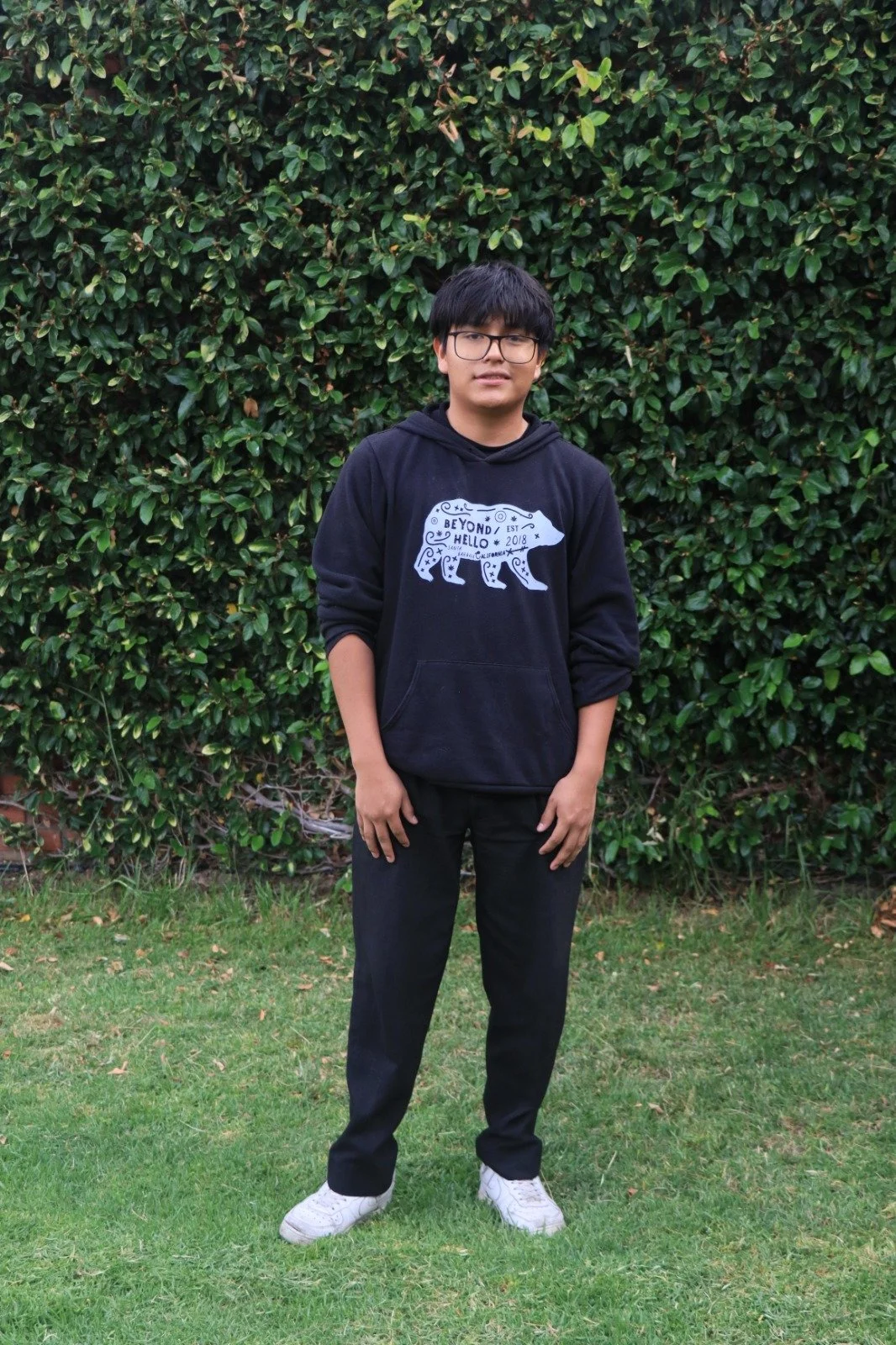


José Moisés Ayala
José arrived at our transition house last November. He was 19 years old, had just aged out of the institutional care system, and barely spoke. He was one of those young people who go unnoticed, who respond in monosyllables and avoid drawing attention. His story was similar to many others: early abandonment, years in institutions, and now the uncertainty of facing adult life without basic tools to navigate it.
The first few months were about adaptation. José observed a lot, participated little, but complied with everything asked of him. He lived with two other young men who had arrived with him from the same care facility, had his household responsibilities, and gradually began integrating into the routine. He wasn't the most sociable, but he didn't cause problems either. He was simply there, trying to understand how this new world worked.
Everything changed when he began attending our Academy of Life sessions. At first he remained quiet, but gradually started participating. His comments were intelligent, his questions profound. As the facilitator of these sessions, I began noticing that José had an exceptional analytical mind, capable of connecting complex ideas and finding creative solutions. He wasn't just intelligent; he was thoughtful, careful in his responses, and had that special ability to truly listen to others.
Getting a job was an important step. José found part-time employment at a plastic recycling facility. It's not the most glamorous work, and his salary isn't enough to cover all his expenses, but for him it represented something fundamental: a step toward economic independence and the possibility of contributing to his own costs. His supervisors describe him as responsible and punctual. He arrives early, does his work without complaints, and has proven to be reliable.
At home, José has assumed a role of quiet leadership. It's not that he talks much or tries to direct others, but his example is powerful. He fulfills his tasks, has helped his two housemates adapt better to the program, and has become someone others seek when they need advice. He has that natural ability to listen without judging and offer useful perspectives.
What excites us most is seeing how José has begun planning his future. Since childhood he had shown interest in technology, but had never had the opportunity to explore it seriously. Now he has decided to enroll in a programming course. It's not an impulsive decision; he has thought it through, researched, evaluated his options. He's also considering studying English, an area where he has shown natural aptitude.
José still struggles with insecurity. Sometimes he doubts himself, worries about not being enough, fears making mistakes. But he's learning that these fears are normal and don't have to paralyze him. He has discovered that he can move forward even when he doesn't feel completely confident, and that's an invaluable lesson.
In these eight months, José has gone from being a lost, silent young man to becoming someone with clear plans, developing skills and, most importantly, self-confidence. His transformation hasn't been dramatic or sudden, but it has been real and profound. He has found his rhythm, his purpose, and is building the foundation for an independent and productive life.
José represents exactly what Pneuma seeks to achieve: young people who don't just survive the transition to adult life, but use it to grow, contribute, and become examples for others. His story continues, and we keep accompanying him as he discovers everything he can become.