

José Fernando Trujillo
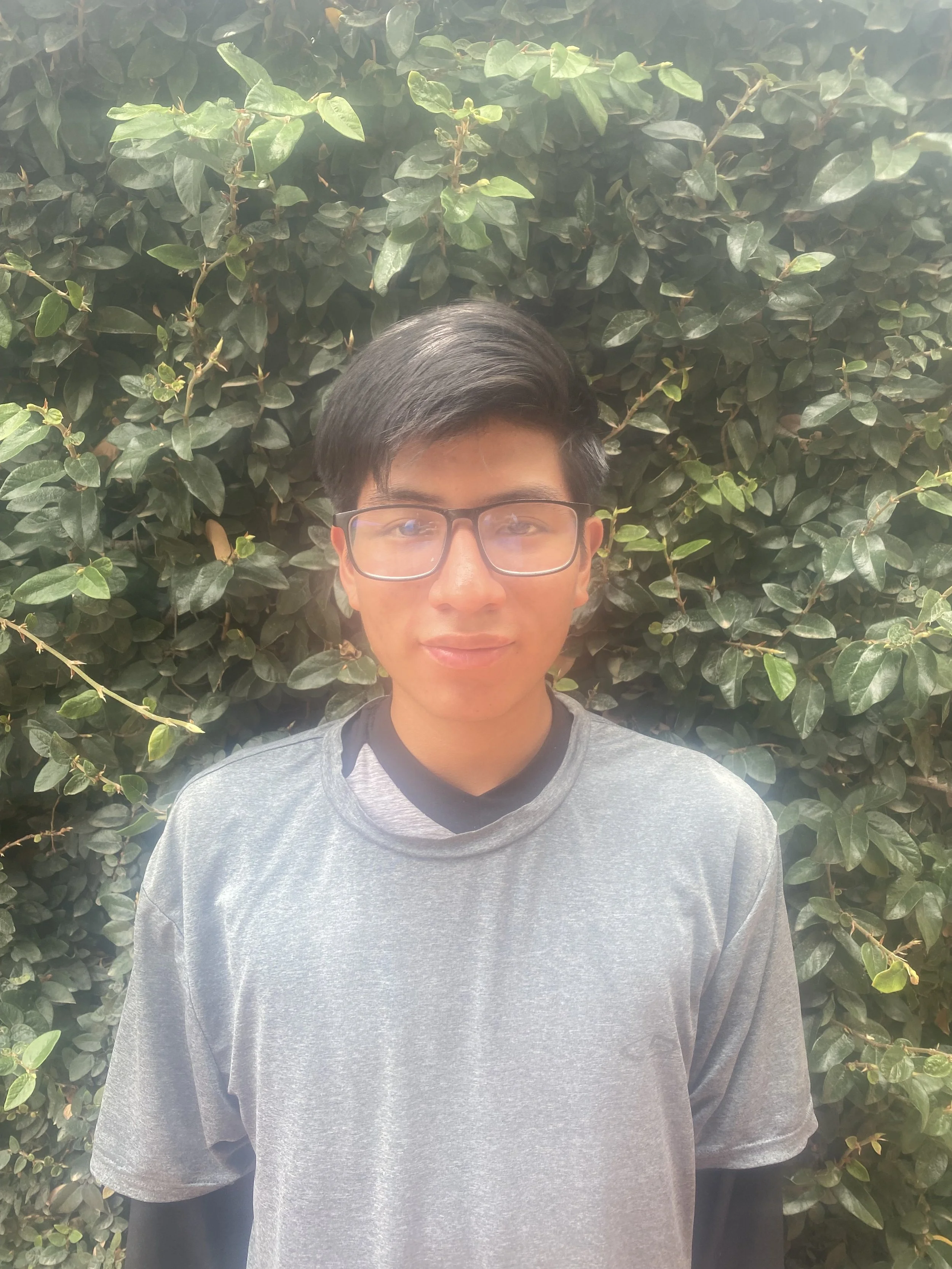
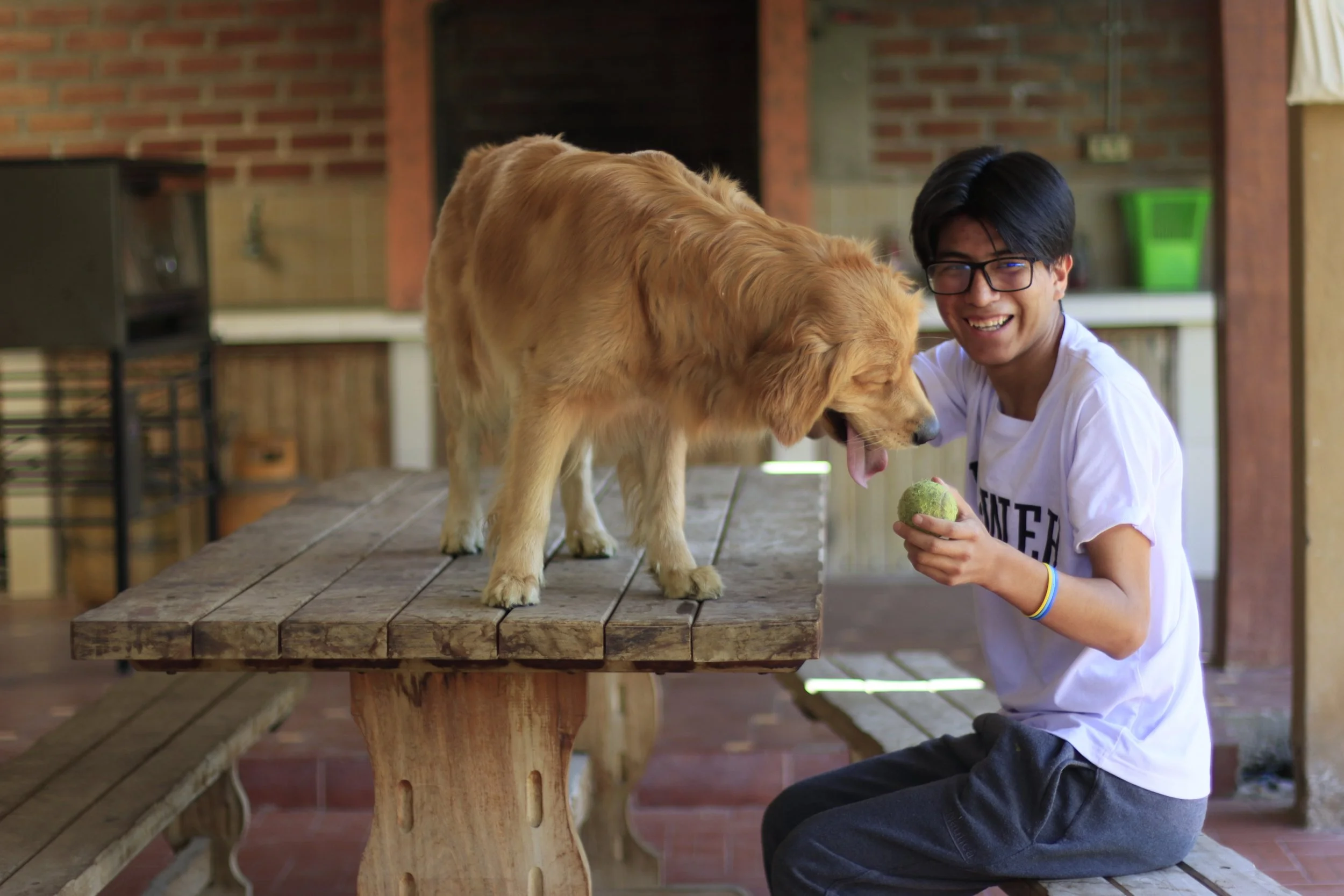
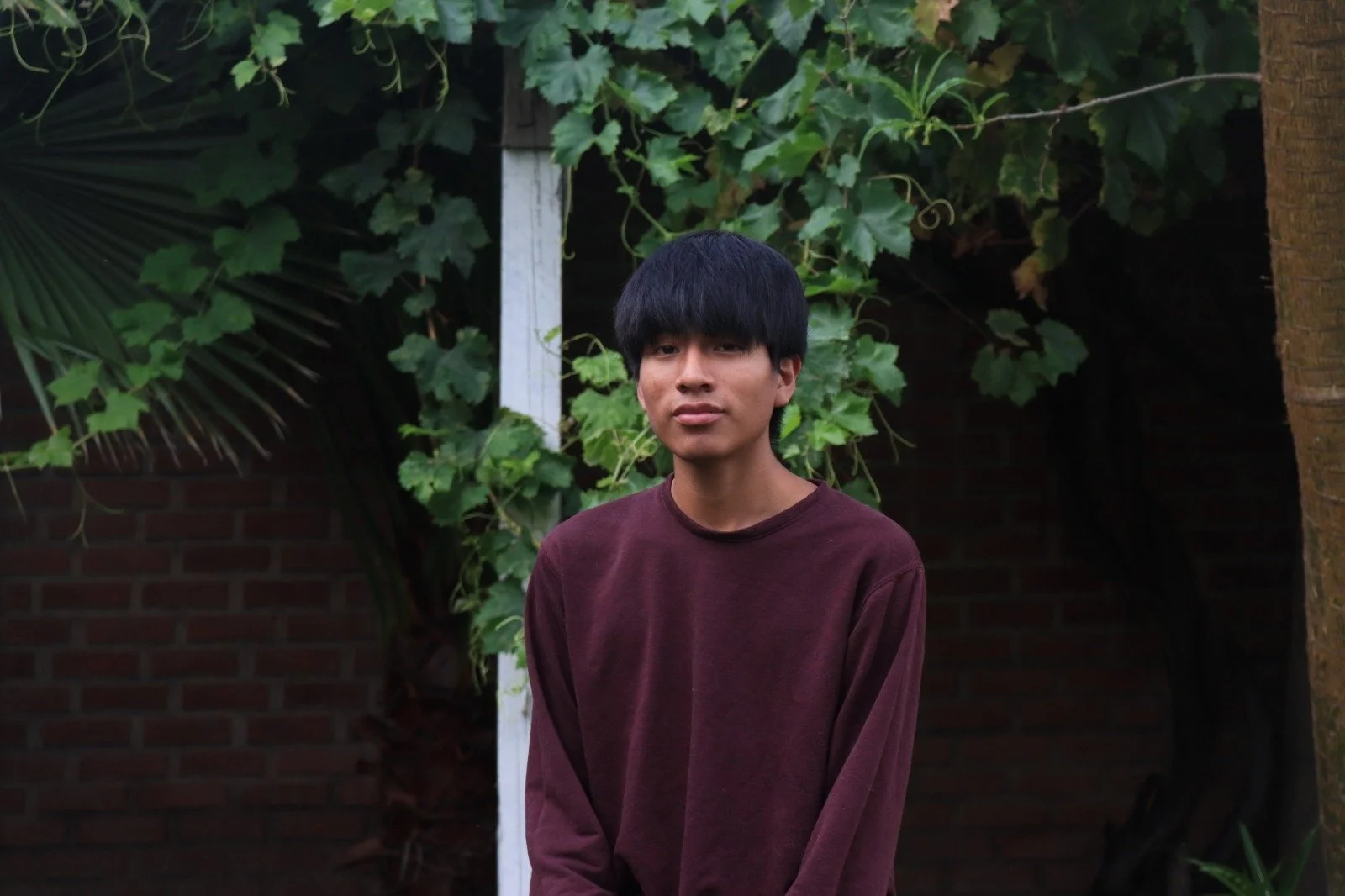
Fernando arrived at the Pneuma Project with a story many of our young people share: early abandonment, years in the institutional care system, and the uncertainty of facing adult life without a family support network. He was placed in institutional care at age seven at the "Hogar de Sueños" center and, after its closure in 2016, was transferred to the Ágape Care Center, where he remained until turning 18.
Fernando is one of those young people who don't draw attention. Calm, reserved, thoughtful. For years he learned to go unnoticed in care facilities, fulfilling his responsibilities quietly. His introverted nature made establishing social relationships always a challenge, but those who know him recognize an uncommon depth and maturity for his age.
Unlike many impulsive young people, Fernando thinks before acting. He evaluates options, considers consequences, and makes deliberate decisions. This natural prudence has become one of his greatest strengths, though sometimes it also paralyzes him out of fear of making mistakes or being judged by others.
During his participation in our Transformation Academy, Fernando identified abilities he hadn't even recognized in himself: analytical logic, collaborative leadership, and mediating skills in group conflicts. His housemates naturally turn to him when they need advice or when there are important decisions to make, even though Fernando prefers to stay in the background.
One of the most revealing moments in his process was when he acknowledged having nearly failed a school year due to absenteeism. Instead of giving up or making excuses, he decided to completely change his attitude. He began attending regularly, applied himself, and passed the year. That experience taught him something fundamental: he has the ability to correct his course when he makes mistakes.
Currently, Fernando is about to complete his first year studying programming in Computer Systems. His passion for technology is genuine and specific: he's fascinated by understanding how things work, experimenting with code, and has developed particular interest in creating web pages and mastering different programming languages. He dreams of creating video games that blend logic, creativity, and emotion, though he doesn't see himself doing it alone, but as part of a team.
His long-term vision is to establish, together with others, a technology center with video games, virtual reality, and digital innovation, where he would be responsible for programming and logical structure while others contribute design and creativity. He's not an individual entrepreneur, but he has clarity about the role he wants to play in a collaborative project.
Fernando works part-time at a plastic recycling facility. The reality is harsh: he's paid less than a dollar per hour, which makes it virtually impossible for him to cover his expenses independently without the support of our transition house. This situation reflects the economic reality facing young people like him in Bolivia, especially those without family networks to support them. However, Fernando has learned to manage the little he earns: he buys his personal hygiene items, saves what he can, and maintains the discipline of fulfilling his work despite how little he receives.
The balance Fernando has achieved is admirable: he works part-time, studies programming, and actively participates in our Business Academy. He maintains a stable routine, fulfills his household responsibilities, attends all his classes and meetings, and participates in community spaces with respect and maturity.
His challenges remain the same: emotional expression, initiating conversations, asking for help when he needs it, speaking in public. Sometimes his insecurity limits him professionally, avoiding certain tasks for fear of making mistakes. We work constantly with him in these areas, and while progress is slow, it's real.
Fernando also carries deep family wounds. Contact with his younger institutionalized siblings was interrupted by decisions beyond his control. His connection with his mother is sporadic and not voluntary. Despite these wounds, he shows capacity for forgiveness and emotional maturity, a strength that speaks to his character.
What's most impressive about Fernando is his desire to give back what he's receiving. When he completes his training, he wants to help as a mentor to other young people leaving care facilities, because he knows exactly what it means to feel lost without a support network.
Fernando doesn't seek to be a hero or charismatic leader. He simply wants to be a good person, responsible, capable of living with dignity and contributing positively to his community. In that simple but firm desire lies deep hope and a promising future he's building step by step, with the quiet determination that characterizes him.